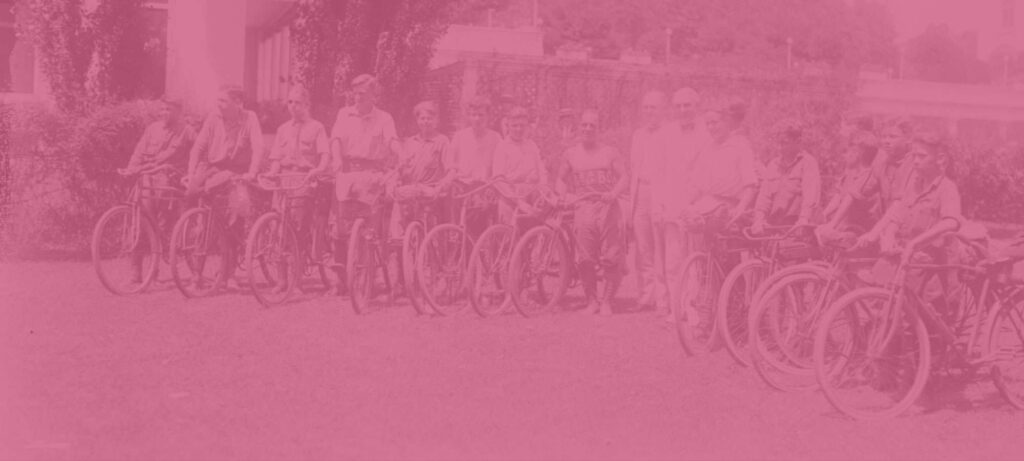
Bad “bike accident” reporting in Canada
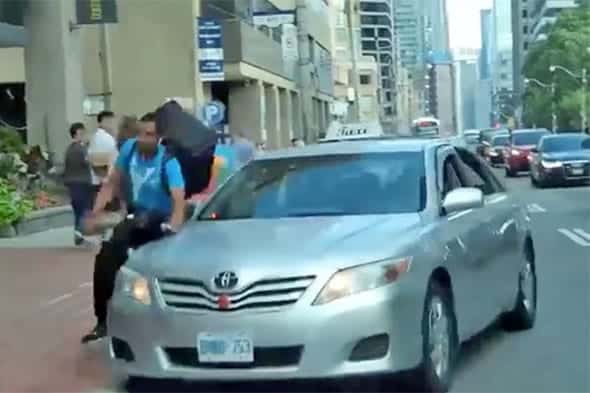
Victim blaming persists.
As a bike crash lawyer, I have seen far too many crashes that get unfairly reported when a vulnerable road user such as a cyclist or pedestrian is involved. There is a tendency to turn the initial focus on the conduct of the victim. This sets up a situation of victim blaming and promotes the already negative culture that exists toward vulnerable road users. Unfortunately, this culture spills over into our court system and creates an erroneous perception by the public as to what is causing these deaths and injuries.
Things have not improved; in fact, vulnerable road user fatalities are increasing. There has been a decrease in fatalities involving driver on driver collisions; however this doesn’t correspond to cyclists and pedestrians – we have already seen 23 deaths in 2016. Responsibility for crashes is being diluted and drivers are increasingly becoming more distracted.
In the Coroner’s Review of Cycling Deaths, it was found that 62% of fatalities are a result of driver misconduct, including speeding, failing to yield and distracted driving. When it comes to pedestrian death, it was strikingly apparent that speed kills. When the Coroner’s Office gave its recommendation as to what will prevent these deaths, it listed as number one, the need for infrastructure. But despite the stats, crashes continue to be reported by focusing on the conduct of the victim.
Language is important. There is a reason we call it a “plane crash” and not a “plane accident.” To understand the problem, one can consider the following reporting issues:
- Despite every death of a vulnerable road user being listed as “preventable” by our Chief Coroner, reporting continues to use the word “accident.” This softens an otherwise alarming problem. It excuses the driver’s negligent actions and justifies deficient infrastructure.
- What the cyclist was wearing, helmet choices, and whether or not they had lights on their bike are usually mentioned in these reports even when they play little or no role in the crash. While it is a common question to ask, this shifts our thinking to what the cyclist could have done to prevent the crash and it encourages victim blaming.
- The use of “car struck cyclist” rather than “driver” or “person” is also very common. This shields the fact that a human was responsible for the crash. Could you imagine the absurdity if unintentional or intentional gun violence was reported in the same manner? “A gun shot the bystander.”
- A bicycle “collided with” a car makes it seem as though the rider hit a stationary car, rather than a moving vehicle crashing into them. Again, this twists the focus of blame on the cyclist, rather than the driver.
- Although many drivers are traveling in excess of the speed limit, the speed of the driver is seldom reported in a crash with a cyclist or pedestrian unless it is extreme or the driver is racing. Meanwhile, the speed of a cyclist which is generally within the speed limit is frequently reported as “fast.” By ignoring a driver’s speed of 5 or 10 km’s over the limit in reporting a crash we are only enhancing a culture that says speeding is okay.
A coalition of walking, cyclist and pedestrian advocates including Walk Toronto, Cycle Toronto and ARC are meeting with Toronto Police Traffic Services to talk about the way crashes are reported. We feel that by opening the lines of communication we will be able to discuss how reporting influences the public and how it can change so that we can work to transform that negative culture, and hopefully develop laws that protect cyclists and pedestrians and create a culture where all road users share the road safely.
Bike Law Canada is represented by Patrick Brown, a cyclist, advocate, and bike crash lawyer.
Patrick, of Bike Law Canada, is one of the founding members of the Toronto Bike Union (now CycleToronto), and is a former director. He is a proud contributor to Advocacy Respect for Cyclists [ARC] who have defended cyclist rights since 1996. He and his firm, McLeish Orlando LLP hold the annual Helmets on Kids Campaign in Toronto and sponsor CycleToronto’s annual “Get Lit” program and the City’s Bike Month. In 2013, the firm was awarded the Bicycle Friendly Business Award by the City for promoting cycling in and outside the office.
-
From Winner to Advocate: One Cyclist’s E-Bike Journey

Two years ago, on a family trip to Switzerland, my wife and I rented two electric-assisted mountain bikes, or e-MTBs, to tackle some steep trails near the Matterhorn. The salesperson said, in no uncertain terms, that the new e-MTBs were the way of the future, and we should give them a try. So we did.
-
A Comprehensive Guide to E-Bikes in Louisiana: Laws, Tips, and Choosing the Best E-Bike

E-bikes are popping up everywhere. If you’re riding one in Louisiana or thinking about getting one, you may have questions about the laws, safety tips, and how to pick the right bike. That’s exactly what this post is here for! We’ll break down what you need to know about riding e-bikes in Louisiana, from legal
-
The Lisa Torry Smith Act: A Win for Cycling Safety in Texas?
The Lisa Torry Smith Act brings important changes to Texas law. It makes clear that cyclists can ride in crosswalks and now requires drivers to stop and yield before entering a crosswalk with a pedestrian or cyclist. A gap in Texas law is allowing some drivers who hit people in crosswalks to get off scot-free,
-
Far Right?! I was taking a LEFT!

Even Bike Law lawyers get hassled. Like many of us, riding for me is stress relief; it’s an escape from conflict and a busy schedule. Sometimes incidents on the road have the opposite effect and one incident this weekend made me question the state of humanity. It was not an unusual event, nor a particularly
-
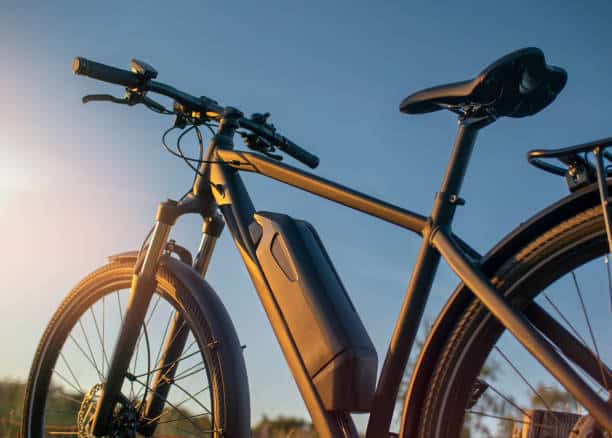
E-BIKES ARE LEGAL IN NC (WELL, SOME OF THEM)

Love them or hate them, e-bikes continue to rise in popularity. At the same time, lawmakers struggle to keep up with the developing technologies. Every week I get multiple inquiries from people trying to navigate North Carolina’s e-bike laws. If you’re confused, you’re not alone. We could easily fill a book with all the latest
-
BIKES & CRIMINAL JUSTICE

Many of our cycling clients find themselves having to interact with the criminal justice system. Typically, it’s because the driver who hits them (or their family member) is charged with a crime or traffic offense. Occasionally bicyclists themselves are charged with traffic offenses! Every state’s criminal laws are different, but there is a lot of
-
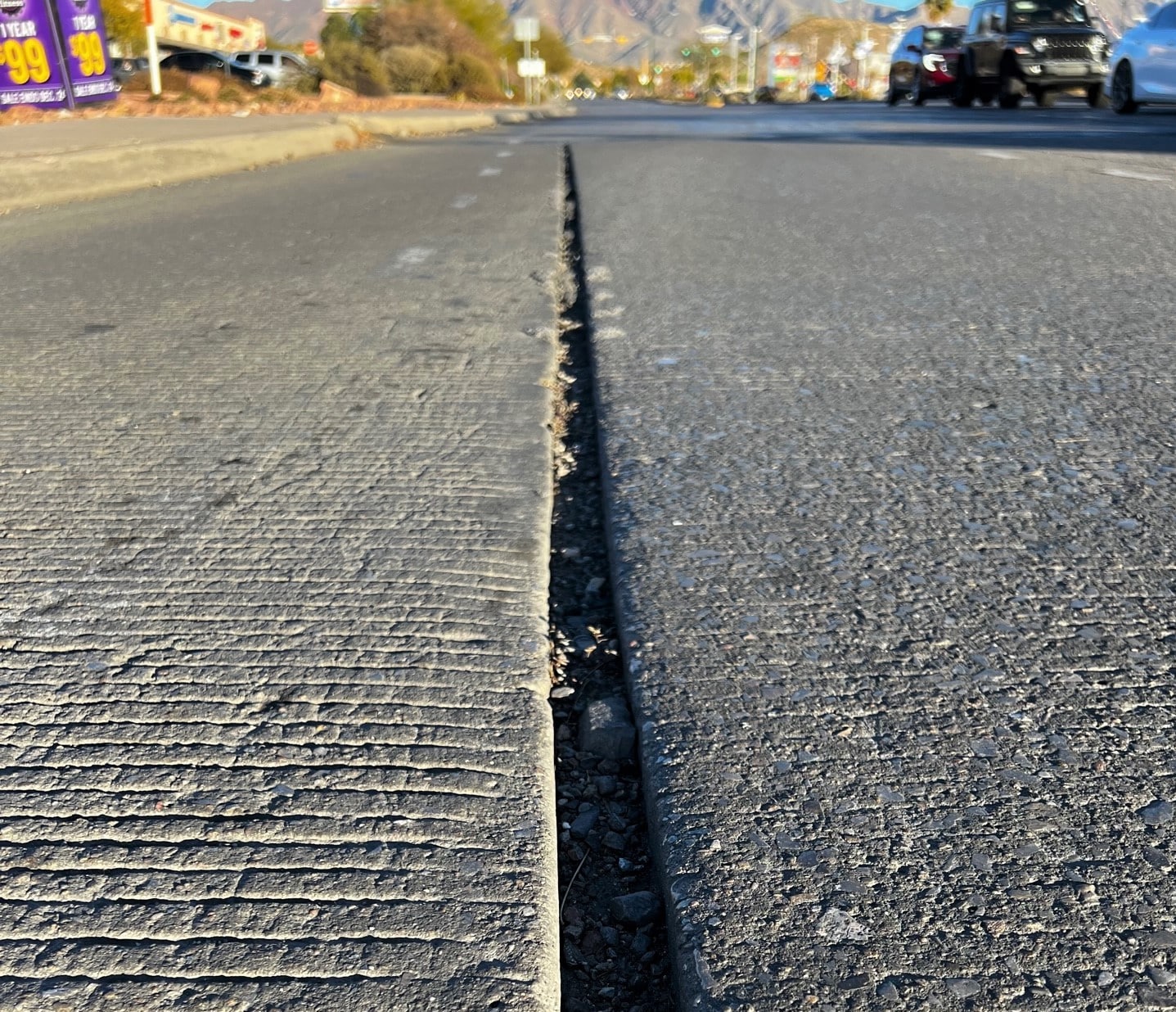
Another Successful Road Defect Case, This Time a $750,000 Settlement in Georgia

We recently shared the story of a trial victory from the State of Texas where a bicyclist was injured due to a defect in a road maintained by the Texas Department of Transportation. Texas Road Defect We now can tell the story of another huge win in a road defect case, this time from our Bike Law
-
One Million Dollars for Texas Road Defect

The Texas Department of Transportation had offered cyclist Mike Bagg $0. Recently, attorneys with the Bike Law network took a case to a trial against a titan of a defendant: the Texas Department of Transportation. TxDOT was represented by the Attorney General’s Office, one of Texas’ largest legal teams. We had a great client, but it was
-
More Roads = Better Transportation, And Other Myths
2023 got off to a rough start for Charlotte, North Carolina, particularly in the context of road safety. Within about a week, we lost a young woman who was riding her bicycle, a pedestrian killed in the same area of town, and four people were killed in a car wreck on I-85 in the University