Ontario Bicycle Laws

ONTARIO BICYCLE LAWS
It’s important to know your legal rights (and duties) when bicycling in Ontario. It is especially important after a bicycle accident (we call them bicycle “crashes” and explain why here).
For any questions about the Province’s bike laws, or about your rights to the road, contact attorney Pat Brown directly.
Right to the Road
- Ontario bicyclists generally have the same rights, and same responsibilities, as drivers of motor vehicles.
- Most of the laws that apply to bicycles are contained in the Highway Traffic Act (HTA). However, municipal bylaws can also regulate the use of bicycles.
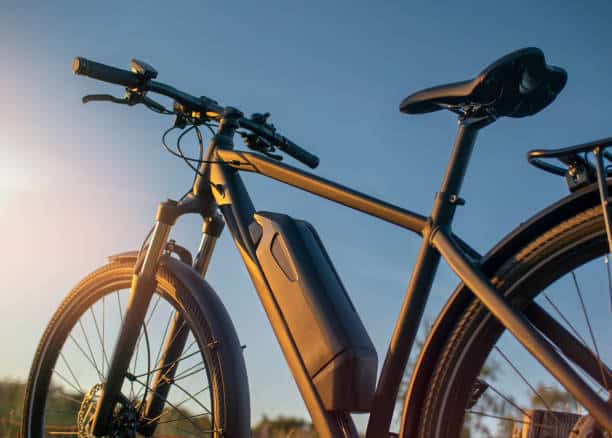
- The HTA defines a bicycle as “bicycle includes a tricycle, a unicycle and a power-assisted bicycle but does not include a motor-assisted bicycle.” Therefore, a bicycle is considered a vehicle under Ontario law.
- Cyclists have an absolute right to use public roads. When using the roads, a bicyclist is required to follow certain laws intended to ensure that bicyclists use reasonably caution and safe cycling practices.
Prohibitions
- Bicycles are prohibited on expressway/freeway highways such as the 400 series, the QEW and on roads where “No Bicycle” signs are posted.
- A bicyclist shall not attach themselves to a vehicle or street car on a highway.
- No person riding or operating a bicycle designed for carrying one person only shall carry any other person thereon.
Helmets
- Helmets are mandatory on bikes for person 17 or under. A parent shall be responsible for children under 16 who do not wear a helmet.
- A person who is 18 years old or older is not required to wear a helmet.
Alcohol
- You can not be charged criminally for impaired driving or over 80 on a bike. However, if you are caught riding impaired and in an unsafe manner, you can be charged under the Liquor Licence Act with being intoxicated in public. You can also be charged with careless driving under the HTA. Both the Liquor Licence Act and the HTA are provincial offences and do not have criminal consequences.
Where to Ride
- Ride approximately one meter from right curb.
Taking the Lane
- It is permissible to take the lane in Ontario and move with traffic flow.
- HTA (147(1) does require bikes (and cars) that are travelling slower than the normal speed of traffic to travel in the right lane or the close to the right hand curb “where practicable”.
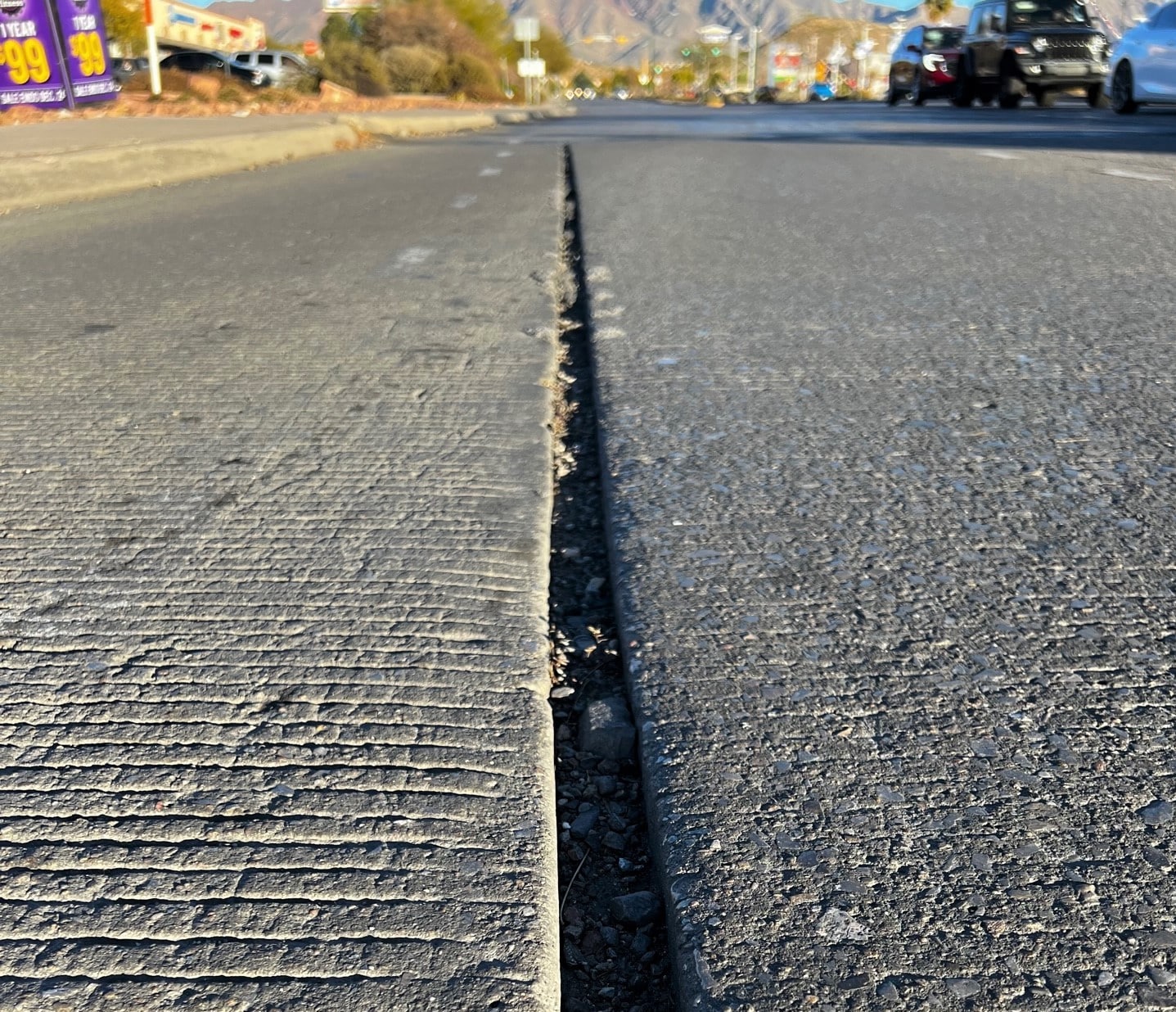
- The words “where practicable” therefore allows cyclists to take the lane due to various road conditions that include potholes, construction, street car tracks, grates, parked cars, or other unsafe conditions on the road.
Sidewalks
- Each municipality can pass bylaws prohibiting sidewalk riding
- Toronto Municipal Code, Chapter 950 states that “No person age 14 and older shall ride a bicycle on a sidewalk of any highway, except for those locations designated in § 886-6 of Chapter 886, Footpaths, Pedestrian Ways, Bicycle Paths, Bicycle Lanes and Cycle Tracks.”
Dooring
- No person may open the door of a motor vehicle unless it is safe to do so.
Bike Lanes, Bike Paths and Multi-Use Paths
- No person shall park, drive or operate any vehicle, except a bicycle or power-assisted bicycle, on a bicycle path or bike lane.
- Bikes are allowed on footpaths and pedestrian ways in Toronto
Transit Stops and Vehicles
- Cyclist must stop at least 2 meters from the rear or front entrance or exit (on the side the passengers are getting on or off) and must wait until all passengers have crossed.
Left Turns
- To turn left bicyclists may perform a “box turn” or use the left turn lane.
Stop Signs and Traffic Control Devices
- Bicyclists are required to come to a full and complete stop at all stop signs and traffic lights displaying a red signal. Idaho stop is not permissible.
Signaling
- Bicyclists must use hand/arm signals when turning and stopping.
Crosswalks
- If at an intersection, the cyclist may ride along any crosswalk but is not allowed to ride within the crosswalk
- If not at an intersection and no traffic control signal, then the cyclist can ride within the crosswalk. If there is a traffic control signal, the cyclist is not permitted to ride within the crosswalk
Drivers Overtaking Cyclists
- Drivers must provide a minimum of one-metre distance when passing a cyclist.
Bicycles Passing on the Right
- Bicyclists may pass motor vehicles on the right if it is reasonably safe to do so and where there is unobstructed pavement for two vehicles to safely pass.
Group Riding
- The HTA does not explicitly forbid side by side riding.
- The HTA requires that slower moving vehicles (cyclists) move to the right, but only when being passed and where practicable.
- The HTA only forbids side by side riding when it impedes normal flow of traffic.
- If there is not enough room for faster vehicles to safely pass, cyclists should ride single file as far right as safely practicable.
- Municipalities may have specific bylaws prohibiting side by side riding.
- Toronto repealed their bylaw requiring single file riding.
Bike Equipment
- White or amber light on the front and red light on the rear ½ hour before sunset, ½ hour after sunrise, or when unfavorable/light conditions.
- White reflector on the front forks.
- Red reflector on the rear.
- Flashing red light on the rear is permissible .
- At least one brake system acting on the rear wheel that will enable the rider to make the braked wheel skin on dry, level and clean pavement.
- Bell, gong or horn in good working order, but not permitted to have sound similar to emergency vehicle.
Walking Your Bike
- If walking your bike due to disrepair or fatigue, you must walk on the left hand side of the road facing traffic.
Police Stops
- Cyclist is to identify themselves and provide their address
- Cyclist does not need to show their drivers licence.
Reverse Onus Law (Civil)
- Ontario has a reverse onus law that requires the driver of a motor vehicle that strikes a cyclist to prove that the damage or injury did not arise through their negligence or improper conduct (as opposed to the cyclist having the onus of proving the driver was negligent)
Civil Remedies
- Cyclists are permitted to sue drivers/owners of vehicles who are negligent and cause injuries to the cyclist.
- Families of cyclists killed by negligent driver/owners are entitled to sue for wrongful death.
- No fault benefits are available to injured and killed cyclists in Ontario regardless of fault provided a motor vehicle is involved.
- Joint and several liability applies to the negligent actions of defendants
- Owners of cars are jointly liable with drivers
- Cyclists may be held contributorily negligent for their conduct but there is no restriction in the cyclist pursuing a claim if so found to be partly at fault.
- Municipalities can be held liable for improper design and failure to repair. They are responsible for their percentage of fault

Patrick, of Bike Law Canada, is one of the founding members of the Toronto Bike Union (now CycleToronto), and is a former director. He is a proud contributor to Advocacy Respect for Cyclists [ARC] who have defended cyclist rights since 1996. He and his firm, McLeish Orlando LLP hold the annual Helmets on Kids Campaign in Toronto and sponsor CycleToronto’s annual “Get Lit” program and the City’s Bike Month. In 2013, the firm was awarded the Bicycle Friendly Business Award by the City for promoting cycling in and outside the office.
-
From Winner to Advocate: One Cyclist’s E-Bike Journey

Two years ago, on a family trip to Switzerland, my wife and I rented two electric-assisted mountain bikes, or e-MTBs, to tackle some steep trails near the Matterhorn. The salesperson said, in no uncertain terms, that the new e-MTBs were the way of the future, and we should give them a try. So we did.
-
A Comprehensive Guide to E-Bikes in Louisiana: Laws, Tips, and Choosing the Best E-Bike

E-bikes are popping up everywhere. If you’re riding one in Louisiana or thinking about getting one, you may have questions about the laws, safety tips, and how to pick the right bike. That’s exactly what this post is here for! We’ll break down what you need to know about riding e-bikes in Louisiana, from legal
-
The Lisa Torry Smith Act: A Win for Cycling Safety in Texas?
The Lisa Torry Smith Act brings important changes to Texas law. It makes clear that cyclists can ride in crosswalks and now requires drivers to stop and yield before entering a crosswalk with a pedestrian or cyclist. A gap in Texas law is allowing some drivers who hit people in crosswalks to get off scot-free,
-
Far Right?! I was taking a LEFT!

Even Bike Law lawyers get hassled. Like many of us, riding for me is stress relief; it’s an escape from conflict and a busy schedule. Sometimes incidents on the road have the opposite effect and one incident this weekend made me question the state of humanity. It was not an unusual event, nor a particularly
-
E-BIKES ARE LEGAL IN NC (WELL, SOME OF THEM)

Love them or hate them, e-bikes continue to rise in popularity. At the same time, lawmakers struggle to keep up with the developing technologies. Every week I get multiple inquiries from people trying to navigate North Carolina’s e-bike laws. If you’re confused, you’re not alone. We could easily fill a book with all the latest
-
BIKES & CRIMINAL JUSTICE

Many of our cycling clients find themselves having to interact with the criminal justice system. Typically, it’s because the driver who hits them (or their family member) is charged with a crime or traffic offense. Occasionally bicyclists themselves are charged with traffic offenses! Every state’s criminal laws are different, but there is a lot of
-
Another Successful Road Defect Case, This Time a $750,000 Settlement in Georgia

We recently shared the story of a trial victory from the State of Texas where a bicyclist was injured due to a defect in a road maintained by the Texas Department of Transportation. Texas Road Defect We now can tell the story of another huge win in a road defect case, this time from our Bike Law
-
One Million Dollars for Texas Road Defect

The Texas Department of Transportation had offered cyclist Mike Bagg $0. Recently, attorneys with the Bike Law network took a case to a trial against a titan of a defendant: the Texas Department of Transportation. TxDOT was represented by the Attorney General’s Office, one of Texas’ largest legal teams. We had a great client, but it was
-
More Roads = Better Transportation, And Other Myths
2023 got off to a rough start for Charlotte, North Carolina, particularly in the context of road safety. Within about a week, we lost a young woman who was riding her bicycle, a pedestrian killed in the same area of town, and four people were killed in a car wreck on I-85 in the University