Our Streets Can Help Keep Us Healthy (and Sane)
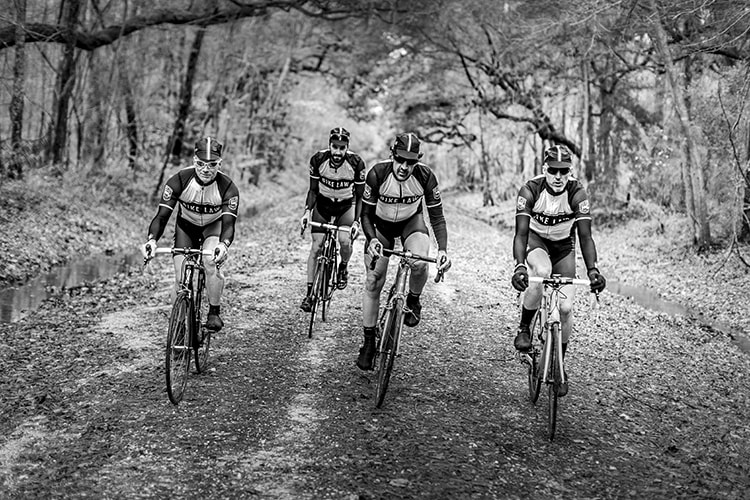
During COVID-19, some streets should be closed to motor vehicles but remain open for walking, running and biking.
We all need some space. In these strange times when a unique virus has shuttered my city, Chicago, and many others around the world, one of the more precious commodities is space, particularly outdoor space. Yesterday, Chicago experienced one of those sunny, warm(ish) days that we always seem to get in March where throngs of people, sick of being indoors during a long, cold winter, flock to the outdoors hoping to stretch their legs and fill their lungs with fresh air. Generally, when the weather is nice Chicagoans go in large numbers to the shores of Lake Michigan to enjoy running and biking on the Lake Front Trail, or wander over to one of our many parks to play ball, lounge or just chill with friends and family. This is what happened Wednesday, despite a shelter in place order that was put in place by our governor five days ago with support from Mayor Lori Lightfoot. Loads of people, naturally craving sunshine on a pleasant day, decided to go out to the places they ordinarily go to, the Lake Front and parks. Many of those folks probably intended to obey the shelter in place order, which permits outdoor activities like walking, hiking and biking, but were simply met by other people with the same idea, going to the same places. As a result, the spread of the virus may have increased. Today, Mayor Lightfoot ordered the closing of the Lake Front Trail and many of our city’s parks to prevent people from gathering there. This was a harsh decision but it is hard to argue that it was not the right one. Our number one priority needs to be slowing the rate of transmission of COVID-19, to flatten the curve so that our hospitals are not overrun by many sick people all at once.

Now where are we to find space? Where should we go when looking to maintain our mental health by getting fresh air, and exercise while not endangering our physical health by going to places crowded with other folks looking to do the same? Our streets hold the answer. In cities around the globe, some are advocating for the closure of large streets and major thoroughfares to motor vehicle traffic to provide more space for walking, biking and just healthy wandering. The idea behind this movement is that by providing more places where people can have some outdoor space they can maintain their mental and physical well-being without placing themselves or others at risk of contracting the virus. In Mexico City, Bogotá, Denver and Philadelphia these efforts have met some success. On March 20th, due to urging from the Bicycle Coalition of Greater Philadelphia, that city closed Martin Luther King Jr. Drive to motor vehicle traffic, opening it for biking, walking an other non-motorized activities. The move came in the context of a 471 percent increase in the use of bicycle and walking trails over the same period a year earlier. In Mexico City officials have been challenged by how to allow people to travel while maintaining social distance and staying off public transportation. To accomplish that the government is considering putting new bike paths in place. Last weekend, Denver, whose mayor issued a stay at home order on March 23rd, faced crowding in parks and other popular public places which had remained open to support the need to have places where people could find safe outdoor spaces. The parks had remained opened because, “Even with the stay-at-home order from the mayor, the city is still recommending getting outdoors and being physically active,” Jill Locantore, Denver Streets Partnership Executive Director, told Westword.com. “But over the weekend, we saw people challenged to find places to walk and bike that allowed safe social distancing – and we’ve seen other cities closing streets to cars, allowing people to get out and be physically active without risking spreading the disease,” she added.
Chicago and other urban areas around the world should close some streets to motor vehicle traffic within the next few days. With car, truck and bus traffic significantly reduced due to a proliferation of shelter in place orders, the streets that remain open as usual will likely be able to efficiently accommodate the remaining motorized traffic. The “closed” streets would remain open for walking, running and biking. This would provide more options for people wandering out to stretch their legs. A friend of mine, and committed bicycle advocate, with whom I have raised this idea worried about whether a big city like Chicago can protect bicyclists from determined drivers who may ignore street closures. It is a legitimate concern. Even under ideal circumstances, drivers will take any opportunity to act a fool around people on bikes. On the other hand, though circumstances are less than ideal for a radical shift in our transportation network, we are facing a unique challenge that requires bold and creative action. We need to use our existing resources in the best ways we know how. To encourage the health and safety of everyone, we need to open the streets to people.

-
Rachael: 8 Years At Bike Law!

Eight years ago today, Rachael Maney became the Director of Bike Law and helped co‑found the Bike Law Foundation, our non-profit arm. Today, we celebrate her success in transforming Bike Law from a national network of bicycle crash lawyers into a leading voice in bicycle advocacy and safety. When Rachael joined, Bike Law’s focus was…
-
Paul, My Brother, Rest in Peace.

If there’s one thing we know at Bike Law, it’s that behind every cycling fatality there’s grief and a longing for justice. And sometimes justice is just understanding what happened. Paul Rucker’s story reminds us of the importance of putting aside assumptions and finding the truth. Paul wasn’t perfect. None of us are. But his family…
-
From Winner to Advocate: One Cyclist’s E-Bike Journey

Two years ago, on a family trip to Switzerland, my wife and I rented two electric-assisted mountain bikes, or e-MTBs, to tackle some steep trails near the Matterhorn. The salesperson said, in no uncertain terms, that the new e-MTBs were the way of the future, and we should give them a try. So we did. …
-
A Comprehensive Guide to E-Bikes in Louisiana: Laws, Tips, and Choosing the Best E-Bike

E-bikes are popping up everywhere. If you’re riding one in Louisiana or thinking about getting one, you may have questions about the laws, safety tips, and how to pick the right bike. That’s exactly what this post is here for! We’ll break down what you need to know about riding e-bikes in Louisiana, from legal…
-
The Lisa Torry Smith Act: A Win for Cycling Safety in Texas?
The Lisa Torry Smith Act brings important changes to Texas law. It makes clear that cyclists can ride in crosswalks and now requires drivers to stop and yield before entering a crosswalk with a pedestrian or cyclist. A gap in Texas law is allowing some drivers who hit people in crosswalks to get off scot-free,…
-
Far Right?! I was taking a LEFT!

Even Bike Law lawyers get hassled. Like many of us, riding for me is stress relief; it’s an escape from conflict and a busy schedule. Sometimes incidents on the road have the opposite effect and one incident this weekend made me question the state of humanity. It was not an unusual event, nor a particularly…
-
E-BIKES ARE LEGAL IN NC (WELL, SOME OF THEM)

Love them or hate them, e-bikes continue to rise in popularity. At the same time, lawmakers struggle to keep up with the developing technologies. Every week I get multiple inquiries from people trying to navigate North Carolina’s e-bike laws. If you’re confused, you’re not alone. We could easily fill a book with all the latest…
-
BIKES & CRIMINAL JUSTICE

Many of our cycling clients find themselves having to interact with the criminal justice system. Typically, it’s because the driver who hits them (or their family member) is charged with a crime or traffic offense. Occasionally bicyclists themselves are charged with traffic offenses! Every state’s criminal laws are different, but there is a lot of…
-
Another Successful Road Defect Case, This Time a $750,000 Settlement in Georgia

We recently shared the story of a trial victory from the State of Texas where a bicyclist was injured due to a defect in a road maintained by the Texas Department of Transportation. Texas Road Defect We now can tell the story of another huge win in a road defect case, this time from our Bike Law…